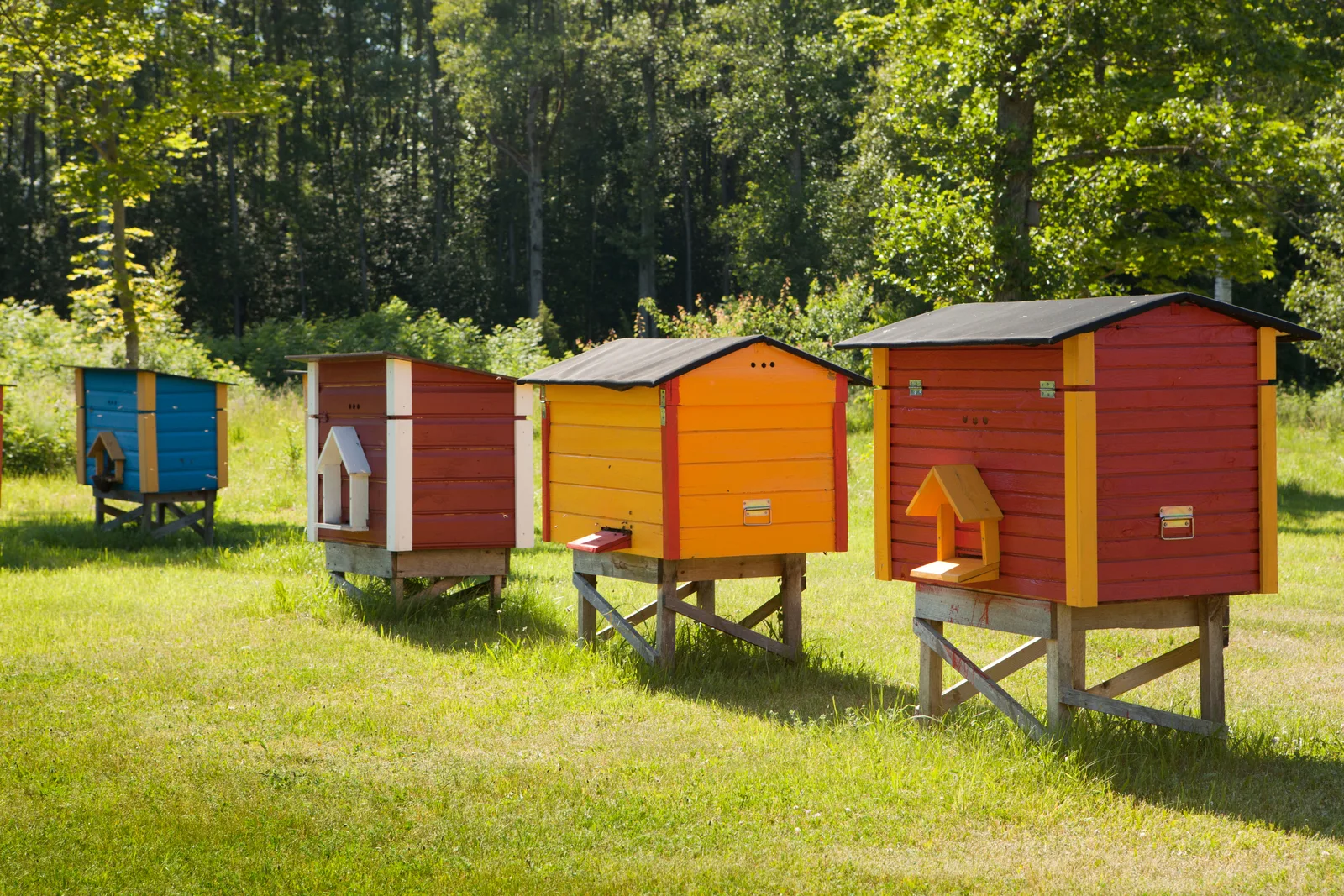
PinTest is a simple, accurate tool for testing the hygienic behaviour of honey bee colonies. It helps you pick the most resistant colonies to breed from – relying on the bees' natural resistance instead of unnecessary chemicals.
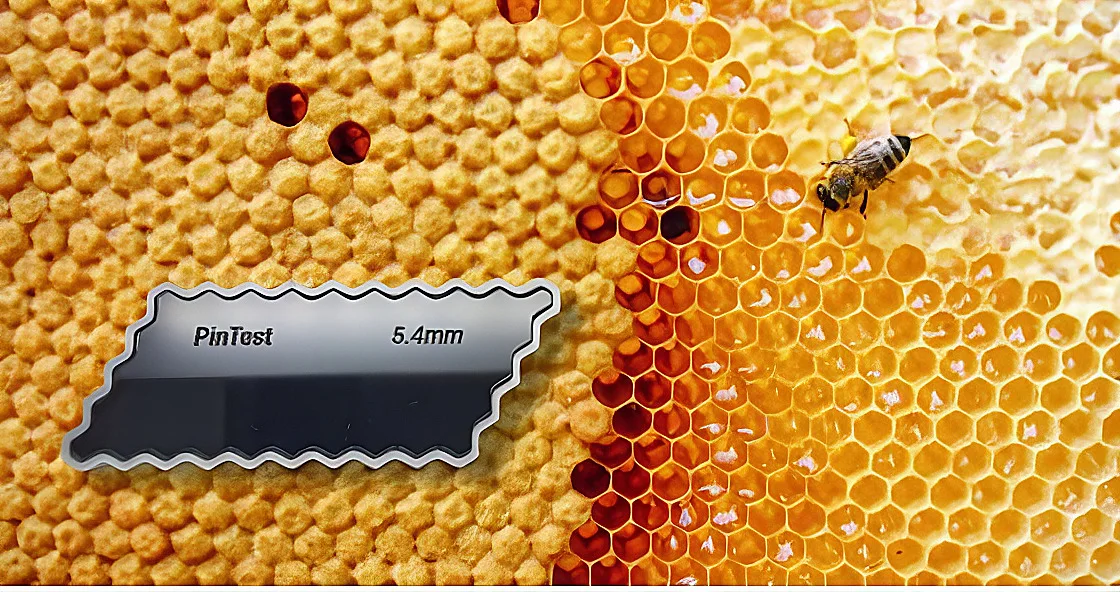
Hygienic behaviour is an inherited trait – so-called behavioural resistance. Colonies with strong hygienic behaviour quickly detect and remove dead or diseased brood, preventing infection from spreading inside the hive.
Instead of relying solely on medication, you select colonies that can deal with disease agents themselves. A healthy nest is the foundation of good results.
Highly hygienic bees remove infected brood before resistant spores can form, so the disease does not spread to healthy brood.
The test gives you an objective number. You breed queens from the best colonies and pass the trait on to future generations.
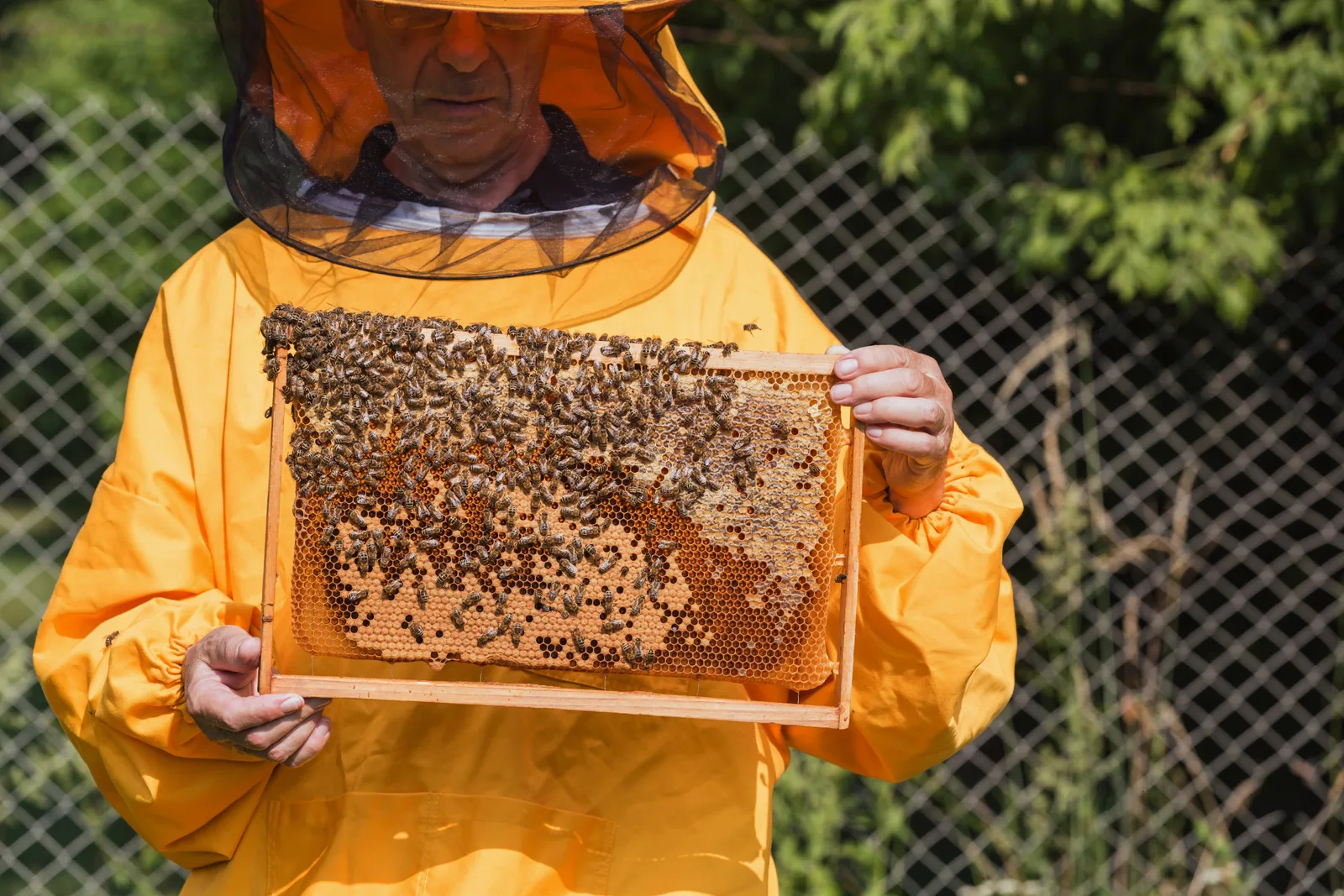
Bees with strong hygienic behaviour remove infected or dead brood before disease can spread. PinTest measures this ability precisely.
The most common disease linked to hygienic behaviour. It weakens colonies and reduces honey yield. Hygienic colonies are practically free of it.
Hygienic bees remove brood infested by the mite. The test correlates with resistance to varroa (VSH).
Rapid removal of diseased larvae prevents the formation and spread of the highly resistant spores of the pathogen.
Removing weakened, non-viable brood lowers the pressure of several viral diseases in the hive.
Note: Hygienic behaviour is a necessary but not the only condition for health. A good apiary site, sufficient forage and proper care matter too. Under heavy varroa pressure keep monitoring mite drop and treat if needed.
Any beekeeper can do the method right at the apiary. All you need is the PinTest tool (a 50-needle stamp) and three short checks.
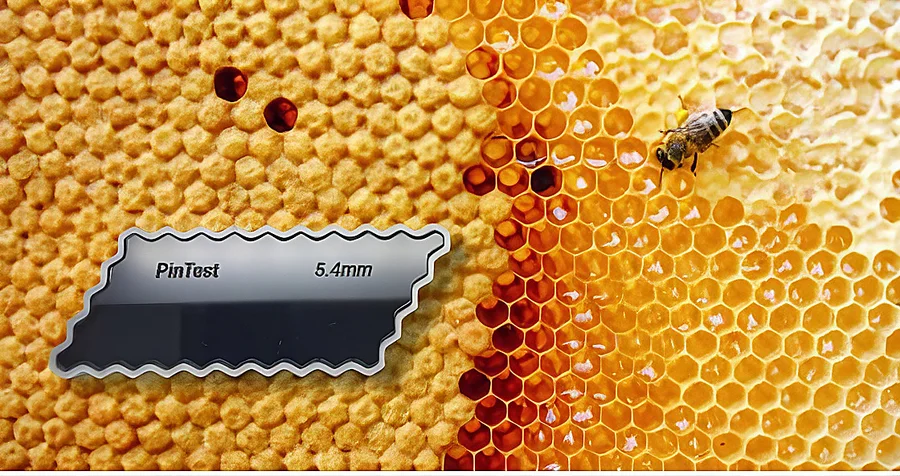
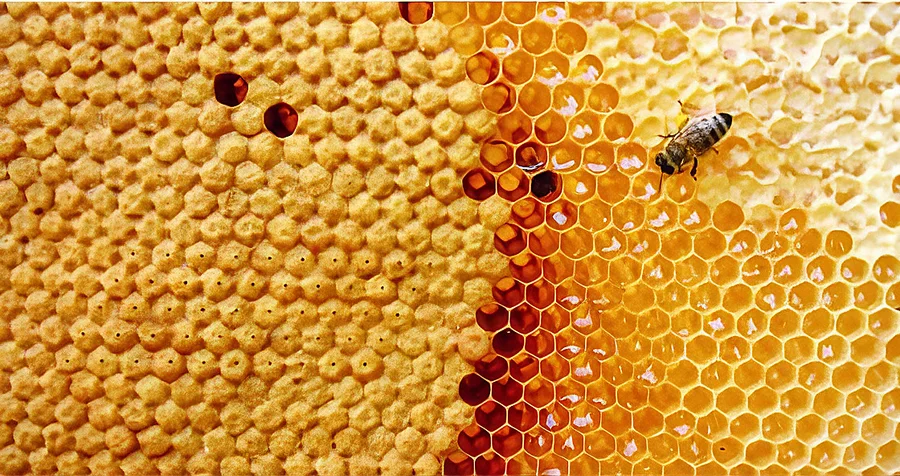
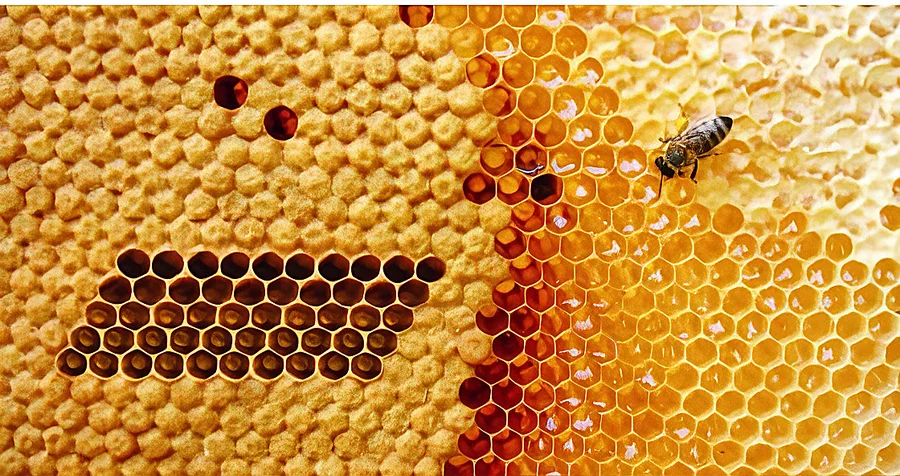
On a fully capped area you stamp 50 (or 100) cells down to the base with PinTest. Best done where there are no empty cells.
Return the frame to the hive and check how many cells the bees have fully cleaned – at 12/24/36 h, or at 24/48/72 h.
Enter the values into our calculator. It returns the result HT in hours and a rating of the colony – from "excellent" to "insufficient".
The needles are spaced to match the cell size of the comb, so each needle hits the centre of one cell. Choose the size according to the foundation you use.
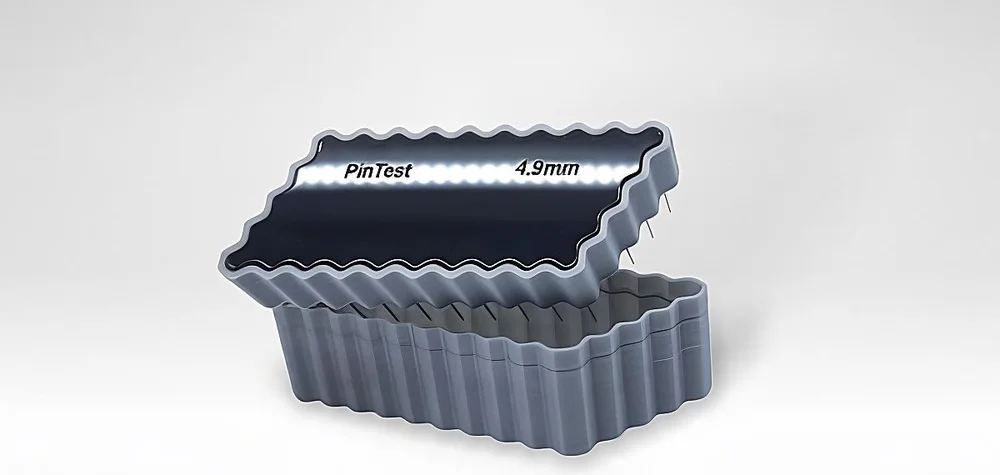
needle spacing
For narrow cells and small-cell foundation.
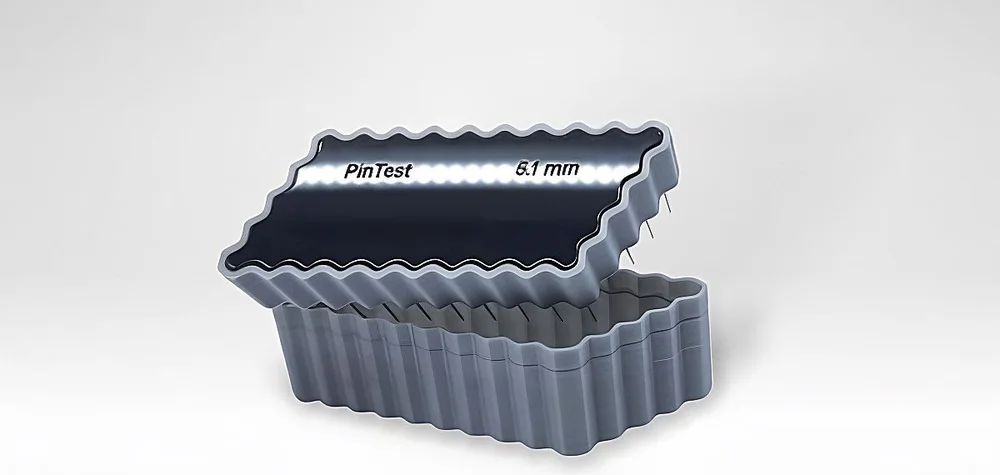
needle spacing
For standard worker cells on common foundation.
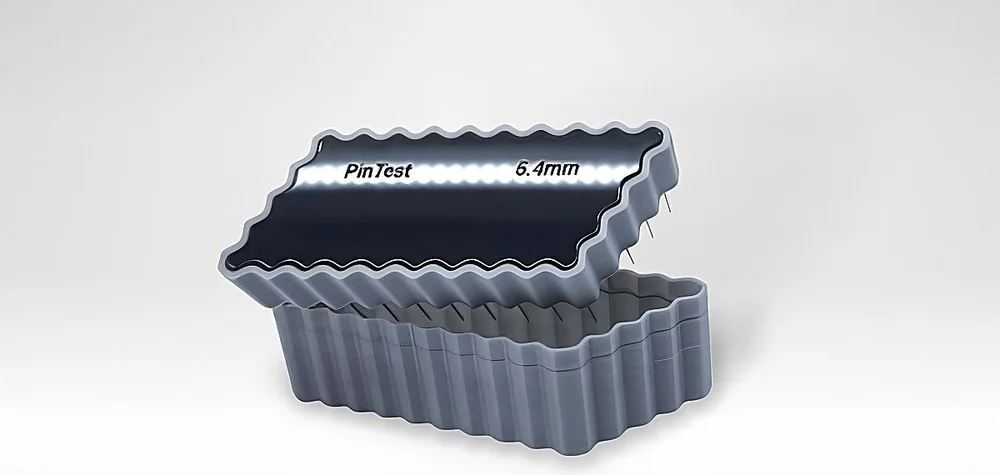
needle spacing
For wider worker cells and larger comb spacing.
Start measuring hygienic behaviour this season. The tool and the calculator are ready.